
Emsella
Conveniently located to serve the areas of Denver, CO
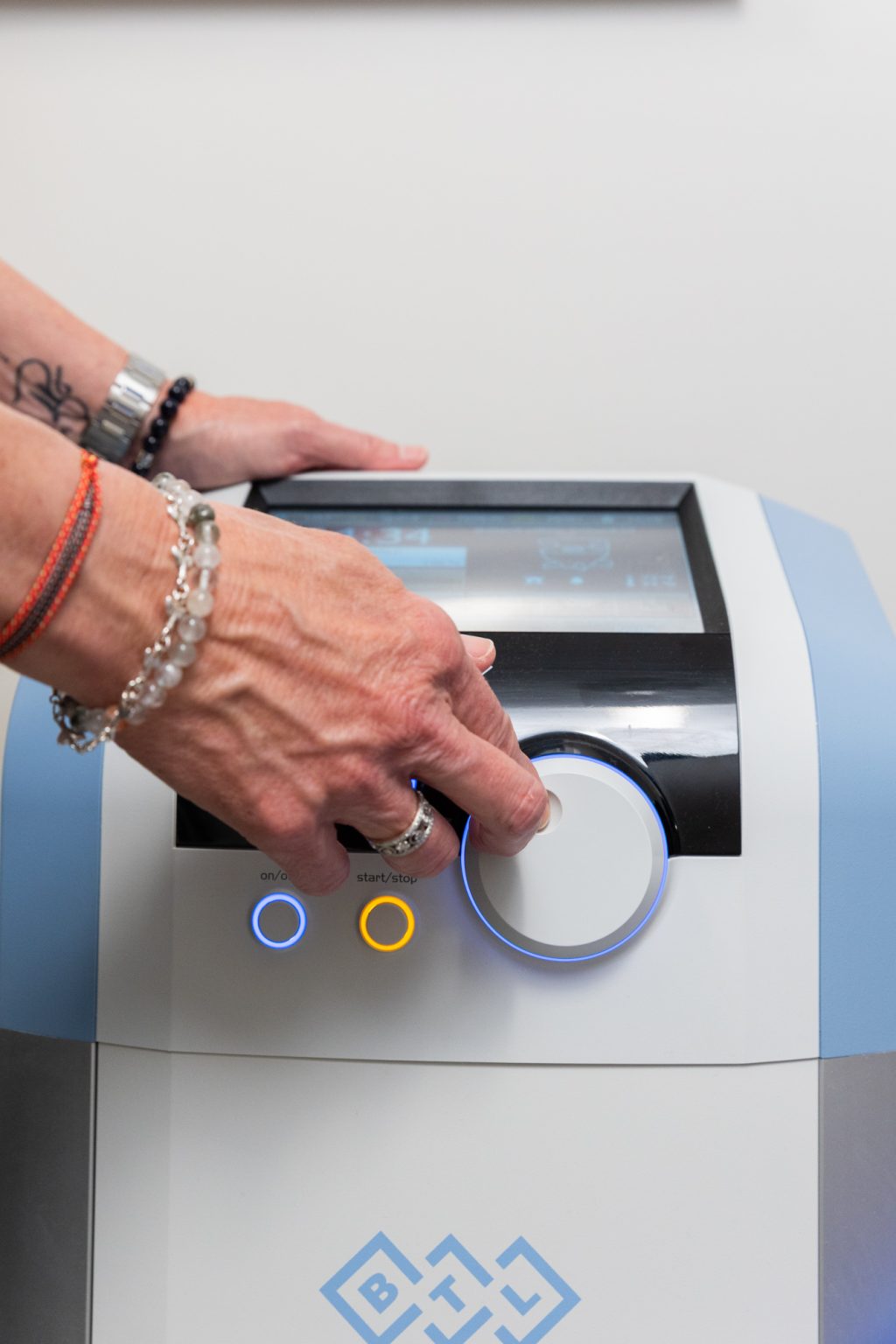
EmSella is a non-surgical and non-invasive treatment that can rebuild the pelvic floor muscles by stimulating powerful muscle contractions with high-intensity focused electromagnetic energy.
Over time, aging, body weight, pregnancy, and many other factors can weaken your pelvic floor. This can then lead to other concerns such as urinary incontinence, sexual dysfunction, nighttime urination, and more.
Dr. Lisa Hunsicker and the Revalla team are dedicated to helping each patient restore their sense of self-comfort and quality of life. Dr. Hunsicker is a board-certified plastic surgeon with years of experience in the field. She has established a strong reputation across the Rockies for her individualized care, attentive nature, and natural-looking results. No matter how subtle or significant your concerns are, the Revalla team can help!
To schedule your first consultation, you may either contact us online or call our Littleton office at (720) 283-2500.
Contents
About EmSella
EmSella is a cutting-edge technological treatment that uses high-intensity focused electromagnetic (HIFEM) energy to rejuvenate the pelvic floor muscles and address urinary incontinence in both men and women, as well as erectile dysfunction in men. This treatment stimulates thousands of Kegel-like muscle movements. However, these are supramaximal contractions, (1) which are stronger than any muscle contractions you can achieve on your own. One 30-minute EmSella treatment session is equivalent to approximately 11,000 to 12,000 Kegel exercises.
About Urinary Incontinence
Urinary incontinence is a condition of the involuntary leakage of urine. (2) This condition can significantly impact one’s quality of life, and it primarily occurs in older adults as a result of pelvic floor weakness, aging, pregnancy, obesity, genetics, hormonal fluctuations, and more. There are several different types of urinary incontinence, including:
- Stress Urinary Incontinence: Stress urinary incontinence (SUI) is the involuntary leakage of urine due to increased abdominal pressure during exertion, straining, sneezing, or coughing.
- Urge Incontinence: Urge incontinence is the involuntary leakage of urine that is preceded or accompanied by a sense of urgency. It can be caused by an overactive bladder or an unstable detrusor muscle.
- Overflow Urinary Incontinence: Overflow urinary incontinence is the involuntary leakage of urine from an overdistended bladder caused by external compression, urethral strictures, pelvic organ prolapse, and more.
- Mixed Urinary Incontinence: Mixed urinary incontinence is caused by a combination of stress and urge urinary incontinence, with one of the two being more predominant or bothersome to the patient. (2)
About Erectile Dysfunction
Erectile dysfunction (ED) is a condition consisting of the inability to achieve and maintain an erection during sexual encounters. ED is very common, with approximately 52% of men in the United States between 40 and 70 years of age struggling with it, which is approximately 30 to 50 million men. This condition is multifactorial and can be a result of factors such as cardiovascular disease, diabetes, obesity, aging, and smoking. These may further be exacerbated by additional factors such as depression, performance anxiety, and hormonal fluctuations. (3)
Many men fail to seek medical attention for their concerns and are often afraid to ask for help. With EmSella, you can restore your manhood’s full functionality without any medications, surgical incisions, or injections.
Benefits
There are several benefits to undergoing EmSella, including:
- Non-invasive Techniques: EmSella does not require any injections, incisions, or other forms of penetration.
- Improved Muscle Strength: EmSella induces supramaximal contractions that strengthen the pelvic floor muscles.
- Elevated Bladder Control: HIFEM energy effectively reduces leakage caused by urinary incontinence, including stress urinary incontinence, urge incontinence, overflow incontinence, and mixed urinary incontinence.
- Restored Sexual Function: EmSella is FDA-approved for treating erectile dysfunction, allowing men to achieve harder and longer-lasting erections.
- Short Treatment Times: Each treatment lasts approximately 30 minutes, which means busier patients can attend their appointments with ease.
- No Downtime: You may return to your daily activities after each treatment session, which is significantly faster than many other intimate rejuvenation treatments.
- Tailored Solutions: The Revalla staff designs each treatment regimen around your specific goals and concerns.
- Enhanced Self-Esteem: Many patients find that they feel more positively about themselves after undergoing their treatment.
Candidates
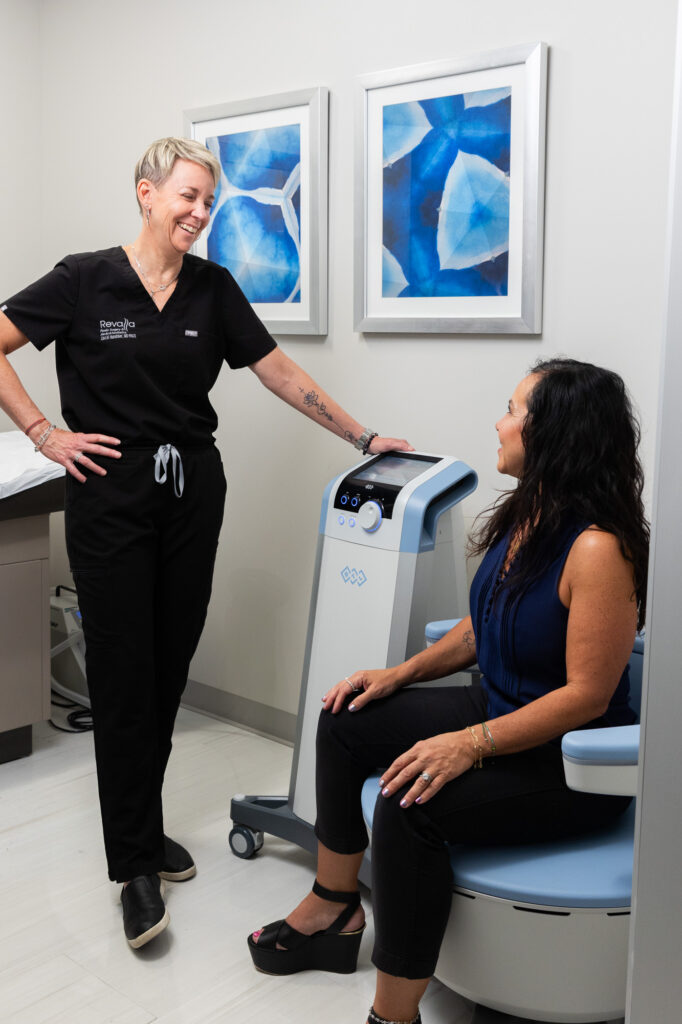
You should consider EmSella if you have been struggling with pelvic floor weakness, urinary incontinence, or nighttime urination. These include stress urinary incontinence, urge incontinence, overflow incontinence, and mixed urinary incontinence. This treatment is also beneficial if you have been experiencing sexual or erectile dysfunction.
To receive EmSella, you should be in good general health without any underlying medical conditions. You should also possess realistic expectations regarding your results. Dr. Hunsicker or another Revalla specialist will assess your candidacy during your personal consultation.
Personal Consultation
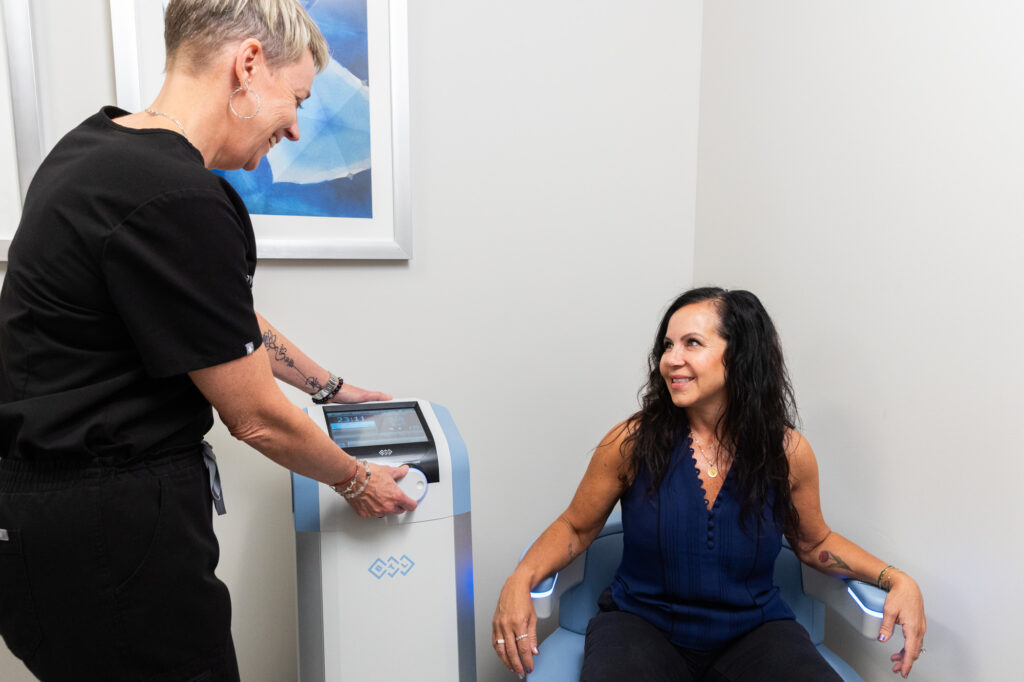
During your personal consultation, Dr. Hunsicker or another Revalla team member will meet with you to learn more about your motivations and establish a deeper relationship with you. They will review your medical history, converse with you about your concerns, learn more about your treatment goals, and perform a physical evaluation if it is needed.
They will then use the shared details to determine whether EmSella is right for you. They will tailor a treatment plan around each of your needs, and they may suggest pairing your treatment with another, depending on your desired results. They will also answer any questions you may have to provide a full understanding of what to expect.
If you are ready to take this first step and schedule your consultation, please contact us online. You may also reach our Littleton office by calling (720) 283-2500.
Preparation
Once you have scheduled your treatment, you will receive a set of preparation instructions. While they are straightforward, you can optimize results by following them closely. These include:
- Staying Hydrated: Drink plenty of water leading up to your procedure.
- Eating Healthily: Maintain a balanced and nutritious diet.
- Dressing Comfortably: Arrive at your appointment in loose clothing.
- Using the Restroom: Use the restroom before your treatment begins to ensure your bladder is empty.
- Disclosing Any Health Concerns: Tell your specialist if you happen to be menstruating or have any infections during the time of your treatment.
Treatment

On the day of your treatment, a member of the Revalla team will lead you to a private treatment room where you will meet with Dr. Hunsicker or another non-surgical treatment specialist. They will answer any questions you may have and reconfirm your treatment plan before seating you in the EmSella chair. The chair will emit HIFEM energy into the pelvic area to stimulate powerful supramaximal contractions. This feeling may have slight discomfort at first, but discomfort generally fades as the treatment continues.
EmSella is typically performed as a series of six to ten treatment sessions. You will remain fully clothed during each session, allowing you to maintain your sense of privacy. Once each treatment session has concluded, you will be free to leave.
Recovery
One of the main benefits of EmSella is its minimal recovery time. After your treatment session, you will be able to return to most of your routine activities immediately. However, you will need to refrain from any physically demanding exercise for the following 24 to 48 hours. You may also experience some soreness in the treated areas, but this will subside quickly.
Dr. Hunsicker or your Revalla non-surgical specialist will provide you with additional recovery information when meeting with you in person.
Results
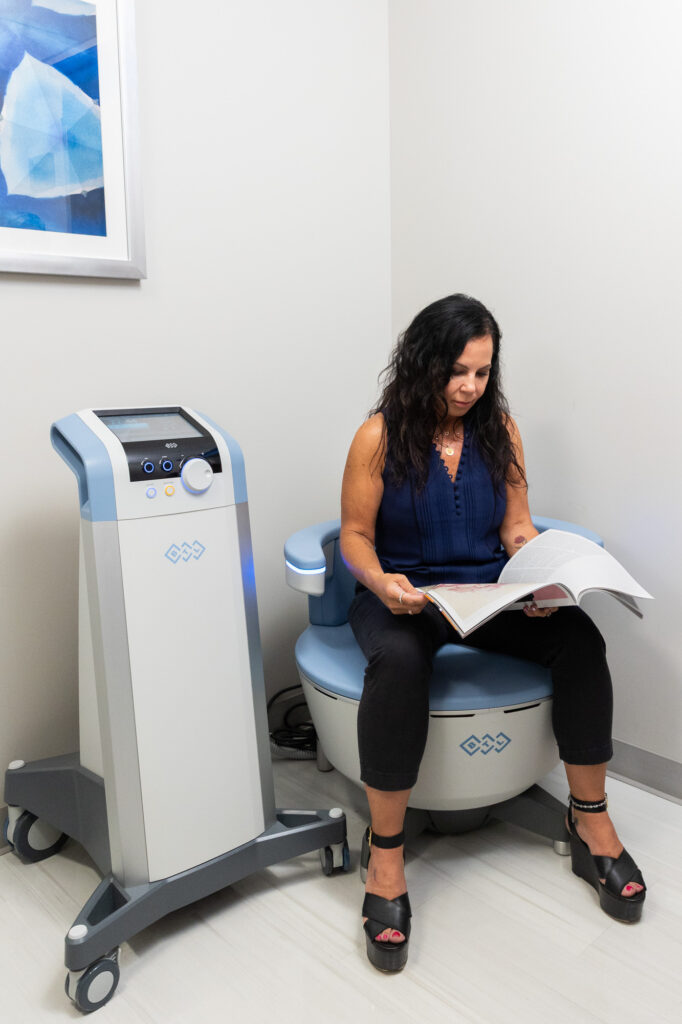
The results of your procedure will become more apparent as you progress through your treatment regimen. Your exact results will vary, but you may enjoy a stronger pelvic floor, reductions in any leakage or urinary incontinence, and improvements in your sexual function and satisfaction.
The results of EmSella are long-lasting, with effects that last between several months and one year. However, it is important to realize that you will likely need to undergo a series of treatments to achieve your ideal outcomes.
Corresponding Procedures
Our team can perform several additional treatments alongside EmSella to provide more comprehensive results, including vaginal restoration and EmSculpt.
Vaginal Restoration
Vaginal restoration uses the body’s natural regenerative properties to enhance your sexual sensitivity and support your bladder control. It consists of our team collecting a sample of your blood before separating out the platelet-rich plasma (PRP), which is a concentrated solution of plasma that contains numerous growth factors and proteins. Our team then injects it into various regions of the vaginal canal, allowing you to reconnect with your body and restore your sense of wellness.
Emsculpt
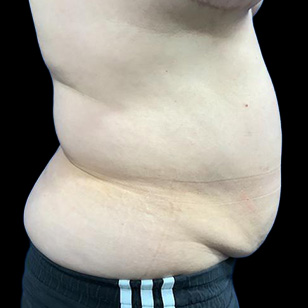
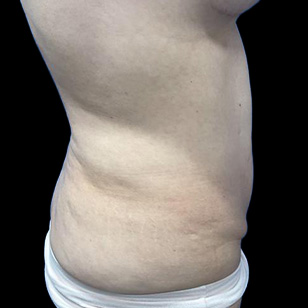
If you are interested in elevating your muscle strength and tone in other regions of the body, our team can combine your treatment with Emsculpt NEO. This technological treatment combines HIFEM energy with radiofrequency (RF) energy to reduce stubborn fat and increase your muscle tone by stimulating supramaximal contractions. With it, you can address regions such as the abdomen, flanks, buttocks, thighs, arms, legs, and back.
Cost of EmSella in Denver, Colorado
The cost of your EmSella will vary depending on certain factors in your treatment plan, such as the concerns you wish to correct and the number of treatment sessions you undergo. Once Dr. Hunsicker or your specialist has met with you to establish these details, they will converse with you about your financial obligations.
FAQ
- Are pregnant
- Have metal implants (IUDs, pacemakers, hip replacements, etc.)
- Have bleeding disorders
- Recently had surgery in the treatment area
- Have pulmonary insufficiency
- Have drug pumps
- Have Hemorrhagic conditions
- Receive anticoagulation therapy
How does EmSella work?
EmSella administers HIFEM energy into the pelvic muscles to stimulate supramaximal contractions. These are muscle contractions that are more powerful than those that you can achieve on your own, allowing you to strengthen your pelvic floor muscles.
What concerns can EmSella address?
EmSella can address several different types of urinary incontinence, nighttime urination, sexual dysfunction in both men and women, erectile dysfunction, and pelvic floor weakness.
What causes urinary incontinence?
Many factors can cause the development of urinary incontinence. A few include age, hormonal fluctuations, pregnancy, obesity, or genetics. During your consultation, your specialist can help you determine the root cause of your urinary incontinence before helping you treat it with the EmSella device.
How many treatment sessions will I need to undergo?
The number of treatment sessions you undergo will vary depending on your concerns and their severity. We typically recommend six to ten treatment sessions.
How long will it take to recover from EmSella?
You may return to your routine activities immediately after your treatment. However, we recommend avoiding any physically demanding or strenuous activities for the first 24 to 48 hours after.
Can anyone undergo EmSella?
While most healthy adults experiencing urinary incontinence and sexual dysfunction will make suitable candidates, we do not recommend EmSella for those who:
References
- Sacarin G, Abu-Awwad A, Razvan N, et al. Prospective Comparative Study of EMSella Therapy and Surgical Anterior Colporrhaphy for Urinary Incontinence: Outcomes and Efficacy. Healthcare. 2025;13(8):864. doi:10.3390/healthcare13080864
- Tran L, Puckett Y. Urinary Incontinence. StatPearls Publishing; 2023. Accessed July 29, 2026. https://www.ncbi.nlm.nih.gov/books/NBK559095/
- Leslie SW, Sooriyamoorthy T. Erectile Dysfunction. StatPearls Publishing; 2024. Accessed August 6, 2026. https://www.ncbi.nlm.nih.gov/books/NBK562253/#article-91330.s8