
Labiaplasty
Conveniently located to serve the areas of Denver, CO
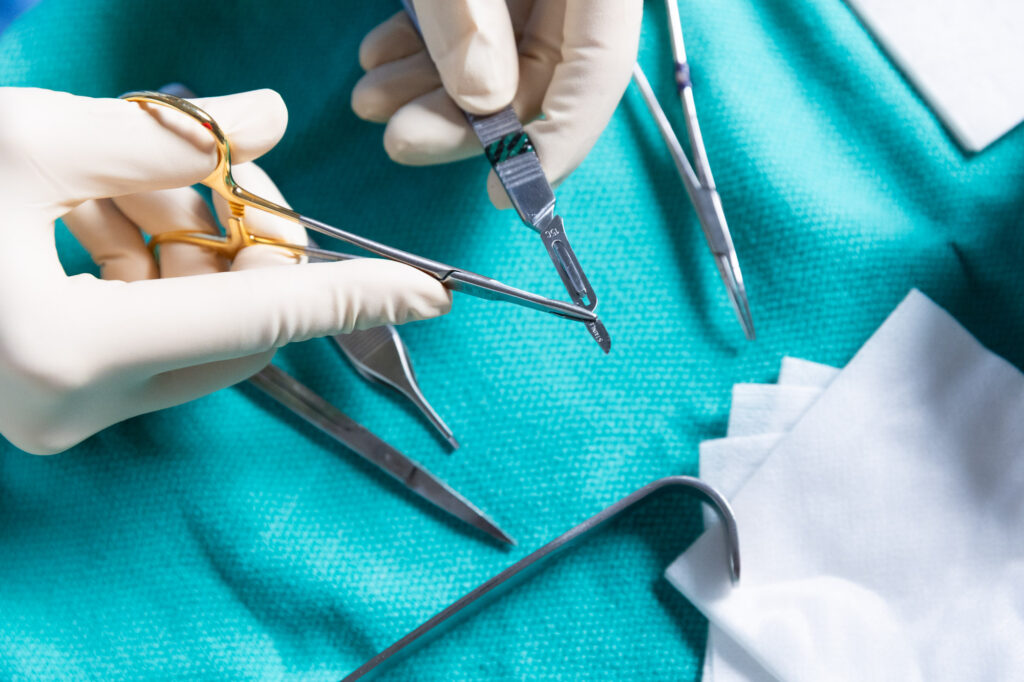
Labiaplasty is a surgical procedure that can reduce the outward size and appearance of the labia minora. Although variations in labia length and appearance are natural, they can sometimes cause discomfort or affect confidence. Aging, childbirth, prominent weight loss, and other circumstances can also affect labia size and shape and cause these concerns..
Fortunately, Dr. Lisa Hunsicker at Revalla in Denver, CO offers labiaplasty to help you feel like your best self. With her extensive expertise, Dr. Hunsicker can correct misshapen or oversized labia or irregularities to help women feel more confident in their bodies.
Dr. Hunsicker leads a team known for their precise skill, gentle care, and stunning results. Their attentiveness and dedication make each patient feel seen and heard.
To explore your labiaplasty possibilities, please reach out today! Contact us online or call (720) 283-2500 to schedule your consultation.
Contents
About Labiaplasty
Labiaplasty is a surgical procedure that reduces the length of the labia minora, or the inner lips of the vulva. Although there is no “normal” or universal way for the labia to look, some women are dissatisfied with their genital appearance, and larger-than-normal or sagging labia can cause discomfort. In both cases, labiaplasty can be an effective solution.
Abnormally sized vaginal lips can cause a variety of problems for women. Patients seeking this procedure often experience pain, itching, discomfort, or irritation during physical activities like exercise and intercourse. Some women are also prevented from comfortably wearing form-fitting clothing such as leggings, swimwear, or yoga pants, due to the size of the vaginal lips. (1)
Types of Labiaplasty
To reduce the labia, Dr. Hunsicker may employ either the trim or wedge technique. The labia minora is composed of two primary parts: the main tissue and the naturally pigmented edge where the labia transitions from inside to outside. The trim and wedge techniques approach these components differently.
Trim Technique:
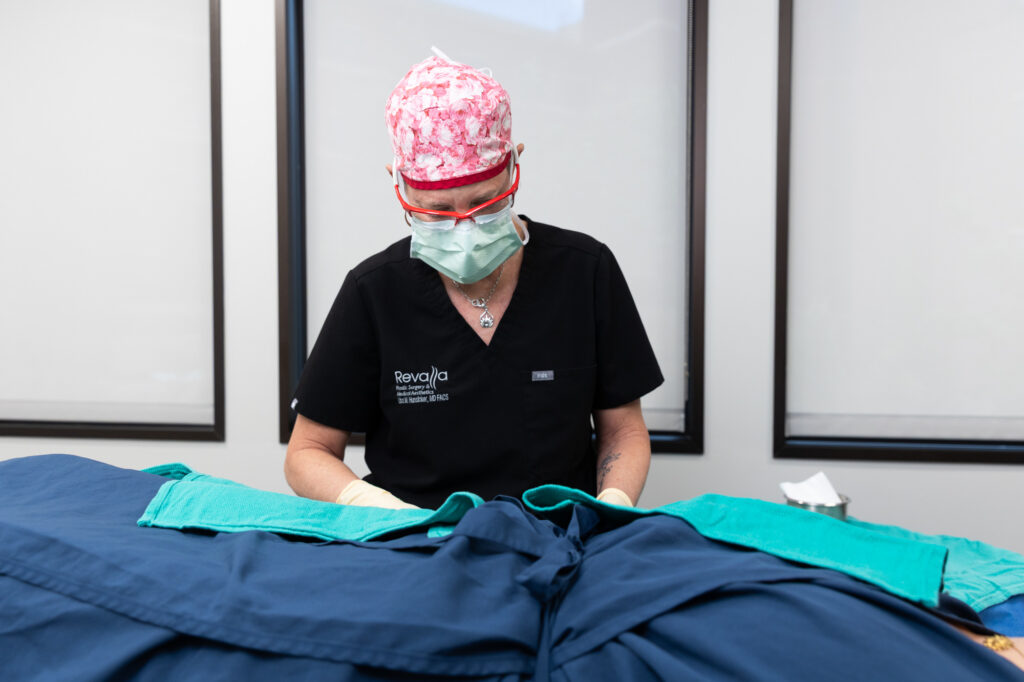
One of the most commonly performed techniques, a trim labiaplasty is a straightforward procedure that removes the outer edge of the labia minora through a linear incision along the length of the labia before closing with sutures. This technique directly addresses the dark, irregular borders that many women find bothersome, resulting in a more uniform appearance.
This approach is ideal for women who wish to correct enlarged labia with irregular, darkened, or asymmetrical edges. This procedure reduces irritation and discomfort, as well as darkened pigmented edges to the labia. Many women prefer the results of the trim technique because it creates a sleek and balanced contour with minimal downtime. (1)
Wedge Technique:
The wedge labiaplasty reduces the size of the labia minora by removing a triangular, V-shaped section of tissue from the center of the labia. The remaining upper and lower edges of the tissue are then pulled together to form a smaller labia with the original pigmented edge intact. This method is ideal for patients who wish to preserve their natural labial edge. Their main concern is the bulk of the tissue, not the edge color. The main difference between the methods is how the natural edge is treated: the trim technique removes the entire outer edge of the labia and creates a new lining that is closed with a vertical suture line, while the wedge technique preserves the natural, ribbed edge by removing a V-shaped section of tissue and keeping the original pigmented border intact. (1)
Benefits
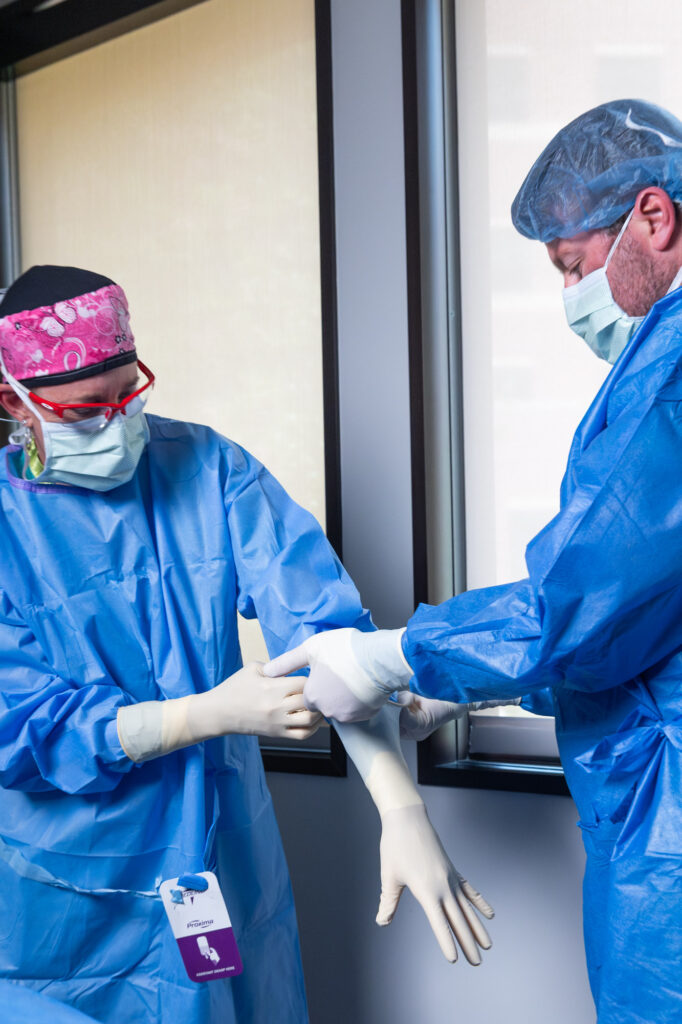
Labiaplasty offers meaningful benefits beyond aesthetics, contributing to improved mental well-being and sexual health. Women with enlarged or asymmetrical labia typically experience chafing, pinching, or pain while wearing tight clothing or engaging in physical activities like exercise or intercourse, ultimately hindering their performance and overall quality of life. Labiaplasty relieves this by reducing tissue and allowing you to move freely. Another benefit of this procedure is improved hygiene. Large labia can trap moisture and promote bacterial growth. But by adjusting the size of your labia, you can maintain cleanliness and personal hygiene much more sustainably. Labiaplasty reaches beyond just cosmetic improvements; it helps restore your true sense of self, allowing you to live comfortably with reduction of physical pain. (2)
Candidates
Labiaplasty is ideal for patients seeking labial reduction to improve function, comfort, and self-esteem. If you experience chronic chafing, rubbing, or irritation during daily activities, walking, or exercise, you may benefit from this procedure. Hormonal shifts, such as those that occur during pregnancy, can change the size and shape of the labia. Because of this, some women choose to postpone their labiaplasty until they are finished building their families. Patients also must be able to avoid supplements and medications such as aspirin, ibuprofen, and other NSAIDs that can thin the blood.
Candidates must be in good overall health and have realistic expectations regarding possible results. The decision to undergo labiaplasty should be based on personal desires, not external pressures. It’s essential to have a clear, positive mindset that understands the benefits and potential risks. A personal consultation with Dr. Hunsicker is an ideal way to determine if you are a suitable candidate for labiaplasty. (3)
Personal Consultation
Contact us today to schedule a labiaplasty consultation with Dr. Hunsicker. During this time, Dr. Hunsicker and her team will get to know you and answer your questions.
To ensure that your body can safely tolerate the surgery, we will review your medical history, including past surgeries, chronic conditions, and drug allergies. We will assess your health during a comprehensive physical exam and evaluate lifestyle factors, such as alcohol consumption, the use of nicotine, current medications and supplements, activity levels, and more. To design a personalized surgical approach, you will discuss your unique aesthetic objectives, and we will recommend the optimal procedure and tailor it accordingly. You will also discuss realistic results, potential risks, and cost. The goal is not only to enhance labial appearance but also to improve your quality of life through a personalized approach.
If we determine that labiaplasty is the next best step for you, we can move forward with scheduling your pre-op visit and surgery.
Recovery
The two standard techniques performed for labial reduction, trim and wedge labiaplasty, take about 1 hour to complete. This is an outpatient procedure, meaning that you will be able to return home the same day. You will spend a brief time recovering in the recovery room while the anesthesia and sedation safely wear off. You will need to arrange transportation to and from your appointment and your next-day follow-up. Contact Dr. Hunsicker immediately if you experience any discomfort, bleeding, nausea, or vomiting. Dr. Hunsicker encourages light walking to promote healthy blood flow and prevent blood clots in your legs after surgery.
Following the directions of Dr. Hunsicker and her team during your healing process are key to achieving the best possible labiaplasty results. Dr. Hunsicker employs Enhanced Recovery After Surgery (ERAS) protocols to help all patients remain comfortable and achieve a swift return to routines.
Throughout the recovery process, patients should avoid anything that puts pressure or strain on the healing tissue, including:
- Form-fitting outfits or coarse fabrics that create friction
- Sexual intercourse, tampon use, and swimming
- Applying unapproved topical creams, ointments, or other skin products
- Strenuous movement, such as exercise
- Taking NSAIDs and other blood-thinning medications
You will need to take some time off from work, avoid excessive walking, strenuous activity, and heavy lifting for 6 weeks, and attend follow-up appointments to ensure the labiaplasty recovery is progressing as expected.
While these restrictions are only necessary to follow during the recovery process, they play a crucial role in your results. Protecting the sensitive tissue during the initial weeks helps facilitate a smoother and more comfortable healing experience.(2)
Cost of Labiaplasty in Denver, CO
The price of labiaplasty is dependent on many factors. The final cost will be impacted by the labiaplasty method chosen, anesthesia requirements, and other components. To explore the cost of your labiaplasty, please schedule a consultation online or call us at (720) 283-2500
FAQ
What happens during labiaplasty?
The procedure takes approximately 1-2 hours to complete and is performed using local anesthesia along with a mild sedative or general anesthesia. To resize the labia minora, Dr. Hunsicker performs either the trim technique, which involves removing excess tissue along the edges, or the wedge method, which preserves the original pigmented border. After reshaping the tissue, the doctor closes the surgical incisions using absorbable sutures that dissolve naturally over time without needing to be removed.
Is labiaplasty painful?
You will receive anesthesia to remain comfortable during the procedure itself. During labiaplasty recovery, most patients experience discomfort rather than severe pain. Swelling, bruising, and sensitivity are expected in the first several days after the procedure. However, you can minimize discomfort with rest, elevation, and prescribed pain medication. While pain tolerance naturally varies, Dr. Hunsicker will outline a clear, comprehensive recovery plan so you know exactly what to expect throughout your healing journey.
How can I know if I am a candidate for labiaplasty?
If you are dissatisfied with the appearance of your labia, or if they cause discomfort during intercourse, in certain clothing, or during daily activities, then we encourage you to come in for a consultation to explore how you can benefit.
References
- Willis, R. N., Wong, C. S., Pai, A., & Patel, B. C. (2021). Labiaplasty minora reduction. In PubMed. StatPearls Publishing. https://www.ncbi.nlm.nih.gov/books/NBK448086/
- András Mihály Géczi, Varga, T., Vajna, R., Pataki, G., Fanni Adél Meznerics, Nándor Ács, Hegyi, P., Nyirády, L., Péter Pál, Farkas, N., Fazekas, A., Szabolcs Várbíró, & Levente Sára. (2024). Comprehensive assessment of labiaplasty techniques and tools, satisfaction rates, and risk factors: A systematic review and meta-analysis. Aesthetic Surgery Journal, 44(11), NP798–NP808. https://doi.org/10.1093/asj/sjae143
- Ucar, E., & Bestel, M. (2025). The effect of labiaplasty on self-perception and quality of sexual life in women: Functional and psychological reflections. Aesthetic Surgery Journal, 45(10), NP194–NP199. https://doi.org/10.1093/asj/sjaf145